When a child chokes at an institution reasonable or an older neighbour breaks down at a community conference, the first person to act is hardly ever a medical professional. It is generally a moms and dad, a trainer, a belief leader, or a volunteer who took place to be close by. That gap in between incident and rescue is where fast first aid training gains its value.
Many volunteers recognize this, yet they think twice to enlist since they anticipate lengthy days in a class, complicated clinical jargon, and dense handbooks they will never open once again. Done severely, a first aid course can really feel specifically like that. Succeeded, fast first aid courses give busy community leaders functional abilities in a focused, time-efficient format, without thinning down the essentials.
This overview makes use of what in fact assists people carry out under pressure, not just pass an assessment. If you arrange occasions, lead a regional team, or coordinate volunteers, you are exactly who fast first aid and CPR training is created to support.
Why rate issues for community training
Community volunteers reside in the real life of childcare pick-ups, change work, and minimal spending plans. Asking them to attend a two-day first aid and CPR course with travel and unpaid pause often implies they never sign up. The result is a neighborhood full of eager helpers that really feel unprepared.
Fast first aid training tackles three sensible constraints.
First, time. A well made express first aid course respects that participants will only retain a minimal number of skills, so it concentrates on the ones that conserve lives in the first minutes: CPR, choking, serious bleeding, unconsciousness, and a couple of key injuries.
Second, interest. Lots of people learn much better basically, intense ruptureds than in long lectures. Fast first aid courses utilize scenarios, hands-on technique, and quick feedback loopholes as opposed to long theoretical presentations.
Third, necessity. Community occasions relocate quickly. When something goes wrong, a leader requires a clear psychological script: examine security, call for help, begin the most critical interventions. Fast first aid training classes are constructed around that manuscript so that the ideal actions surface under stress.
Speed, nonetheless, does not mean cutting edges with security or high quality. The objective is not just a fast certification, it is reputable, repeatable abilities that work in the messiness of genuine life.
What "fast" needs to and must not mean
I have seen two very various models of fast first aid courses.
One version crams the same product into less time, often by avoiding practice or hurrying analyses. Participants leave with a first aid certificate but little self-confidence. They might keep in mind the recuperation setting for a week or two, but months later on, the details blur.
The other model is careful. It approves that you can not grasp everything in 3 or four hours, so it focuses ruthlessly on:
- The leading few emergencies more than likely to take place because community The actions that offer the biggest benefit in the tiniest time Simple methods that are simple to remember a year later
If you are examining a fast first aid course near you, search for this 2nd version. It will certainly feel strangely simple in the moment. That is deliberately. You are not training to be a paramedic. You are training to be an effective initial -responder until paramedics arrive.
The word "fast" must define the delivery technique, not the attitude. The course itself might be shorter, yet it ought to still include real method, teacher comments, and time to ask concerns concerning unusual situations you have actually faced at events.
Skills that make the greatest difference
In area settings, certain emergencies repeat: choking at a barbeque, chest discomfort at a meeting, sports injuries at youth programs, collapsing in lines up, cuts from devices at the workplace , and medical episodes like bronchial asthma or diabetes.
A strong fast first aid or express first aid training course often tends to focus on a core set of skills.
CPR and use defibrillators
Cardiac arrest is unforgiving. Survival drops with every min without reliable CPR. That is why premium quality CPR training sits at the centre of any type of first aid and CPR course.
The most effective CPR courses for volunteers take a straightforward strategy. They do not drown you in ratios or edge-case variants. They educate a clear series, they pierce it continuously on manikins, and they develop convenience with automated exterior defibrillators (AEDs), which are increasingly usual in neighborhood locations. An express CPR course can be as brief as 1 to 2 hours, yet still change how eager someone really feels to step in.
I have enjoyed distressed individuals at the beginning of a fast CPR first aid hands-on training CPR course barely touch the manikin. Ninety mins later they are counting compressions out loud with strong method and a clear plan for calling for assistance. That shift just happens when method time is shielded, even in an express CPR training format.
Choking and air passage problems
Choking events commonly take place in busy, noisy atmospheres where panic spreads out quickly. Recognizing just how to identify partial versus complete obstruction, exactly how to deliver abdominal thrusts, and exactly how to change your method for an infant or expecting person is crucial.
A great first aid and CPR training course makes use of practical duty play. You will certainly get up, stand behind a partner, and simulate back blows and drives. It feels dramatic in the classroom, however that physical memory is exactly what takes over when a real youngster begins to choke on a grape at an area lunch.
Severe bleeding and wounds
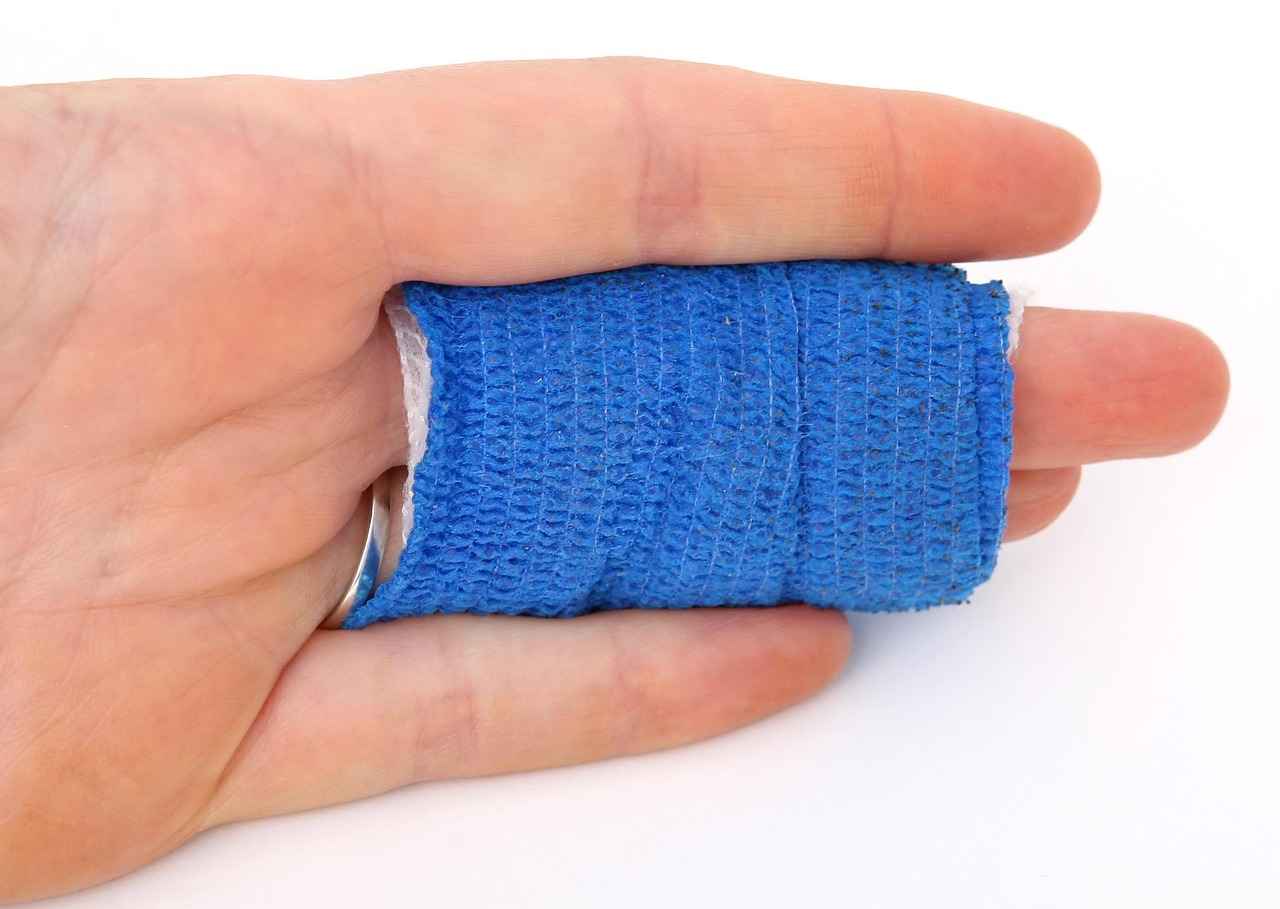
External blood loss is one of one of the most aesthetic and facing emergencies. People commonly freeze or undervalue the necessity. Reliable fast first aid training educates a very direct technique: expose the wound if risk-free, apply solid stress, add dressings, and do not remove soaked bandages.
It additionally assists participants consider improvisated products. At a neighborhood celebration, you may not have actually an equipped first aid kit within arm's reach. A folded up T-shirt, a tidy towel, or even your very own hand with a handwear cover can offer until a correct bandage gets here. The goal is simpleness, not textbook perfection.
Unconsciousness and the recuperation position
Finding a person less competent but breathing typically agitates also skilled volunteers. A solid fast first aid course will certainly walk you detailed via checking responsiveness, opening the respiratory tract, analyzing breathing, and putting the individual into a recovery placement while safeguarding the neck and maintaining the air passage clear.
Practice issues here. Many individuals only know exactly how unpleasant it can be to roll a grown-up into a steady placement once they attempt it on the floor. A class that lets you actually roll a companion is far more useful than one that just reveals diagrams.
Common clinical conditions
Community leaders are not expected to identify, yet they can recognise patterns. Short, focused first aid training can cover classic signs of asthma assaults, severe allergic reactions, diabetic hypoglycaemia, and strokes, with straightforward actions to take while awaiting professionals.
Here, the nuance depends on staying clear of insolence. An excellent teacher will certainly emphasize that your work is to stabilise, not address. Give prescribed medicine if the individual can handle it, call emergency solutions early, and display modifications, as opposed to attempting amateur medical choice making.
Express child care first aid for young people workers and parents
Childcare atmospheres and youth programs existing details obstacles. Kids crash into each other, explore foods, and experience fast temperature level modifications between tasks. An express childcare first aid course recognizes this fact and focuses on circumstances that staff and volunteers truly encounter.
In my experience, one of the most beneficial express child care first aid training includes a few added aspects past basic first aid.
First, kid and infant CPR. The technicians, depth, and proportions differ from adult CPR, and lots of people feel especially anxious concerning pressing on a kid's breast. Several short cycles of practice on baby and kid manikins construct trust in your hands.
Second, taking care of minor however dramatic injuries. Nosebleeds after playground crashes, divided lips, and knocked-out teeth all create significant distress in kids, moms and dads, and team. Clear, exercised routines calm everyone. Fast first aid courses customized to child care often provide basic manuscripts you can duplicate to both the kid and their caregivers.
Third, anaphylaxis and allergic reaction management. With increasing allergic reaction prevalence, recognizing just how to acknowledge an allergic reaction, utilize an auto-injector, and coordinate with emergency situation services is non-negotiable in child care and college settings. Express child care first aid courses now usually include auto-injector practice on fitness instructor devices.
Fourth, communication with parents and documents. Volunteers and instructors frequently fret about what to write after an event. Training that consists of genuine example kinds and brief debrief methods aids preserve depend on and lawful protection.
Express childcare first aid courses do not try to transform instructors right into registered nurses. They outfit them with a stable, rehearsed reaction for the kinds of injuries and health problems that appear every day amongst children.
Structuring fast first aid and CPR training for an area group
When I work with community organisations, the most effective programs rarely begin with "What web content should we cover?" Instead, they start with "When something fails at one of our events, who really acts, and where are they standing?"
Take a regional sports club as an instance. Instructors are on the area, parents get on the sidelines, and the club assistant might be in the canteen. Each has different exposure and different time to react. A fast first aid course for this group might be structured right into 3 short modules throughout a single evening.
The initially component focuses on instant, on-field activities: examining risk, managing back issues, regulating bleeding, and asking for help.
The second focuses on CPR and making use of the club's AED, due to the fact that cardiac arrests, though rare, have devastating effects in sport.
The 3rd covers typical yet much less vital injuries such as strains, small fractures, and heat-related illness, along with simple return-to-play recommendations while stressing that clinical clearance comes from health and wellness professionals.
Across these modules, the same core principles are duplicated in different contexts. Safety initially, quick analysis, simple treatments, early escalation.

Fast CPR refresher courses fit neatly into this model. Instead of re-teaching whatever every year, a 60 to 90 minute fast CPR course can review core strategies, right drift in hand positioning or compression deepness, and incorporate any adjustments in standards. Individuals appreciate that their previous knowing is valued, not reset.
What every fast first aid course should include
Not all first aid training is produced equal. Fast styles in particular vary widely in quality and emphasis. When you are picking express first aid courses or fast CPR courses for your volunteers, search for these core components.
Clear understanding outcomes that match your context, not generic promises. Substantial hands-on exercise with CPR manikins, recuperation settings, and standard bandaging. Scenario based learning that shows your actual community settings, such as fetes, video games, or services. An analysis process that checks both skills and self-confidence, not just composed answers. An identified first aid certificate that meets regulative or organisational requirements.If a service provider can not clarify just how they balance speed with these fundamentals, deal with that as an indication. A fast first aid course that supplies a certificate without real proficiency leaves your volunteers bring both responsibility and doubt.
Choosing the appropriate service provider and format
Typing "fast first aid course near me" or "express CPR course" right into a search engine will certainly yield dozens of results. Arranging with them requires more than contrasting prices.
A brief, structured checklist helps.
Accreditation and acknowledgment: Guarantee the carrier's first aid and CPR courses fulfill neighborhood regulatory criteria for work environments, childcare, or education, depending on your needs. Trainer experience: Instructors that have real-world scientific or emergency situation histories bring subtlety that scripted presenters frequently lack. Ask how they manage concerns that go "off curriculum." Delivery layout: Several organisations currently use mixed understanding, where concept is completed online and sensible parts are provided in person as a fast first aid training session. For active volunteers, this layout can minimize time on site while protecting hands-on practice. Group customisation: Neighborhood teams profit when examples and situations mirror their real tasks. Ask whether the service provider adjusts web content for sporting activities clubs, belief areas, neighbourhood homes, or young people organisations. Post course assistance: Look for short reference overviews, refresher suggestions, or accessibility to follow-up inquiries. Skills discolor is real, specifically for people who seldom utilize their training.Sometimes, the very best option is to bring first aid course Salisbury express first aid training on-site. Holding a course in your own hall or clubroom decreases travel, builds shared understanding among your team, and encourages assistance from leadership who can see the worth firsthand.
Balancing legal, moral, and practical concerns
Volunteers and leaders commonly carry quiet worries that keep them from acting. They ask whether they can be filed a claim against if they slip up, or whether they are even enabled to touch a person in an emergency.
A thoughtful first aid course addresses these concerns directly. While legislations differ by area, several territories acknowledge "do-gooder" concepts that secure people who give first aid in good belief. Your instructor needs to discuss the fundamentals relevant to your location and reinforce that doing nothing in a life threatening emergency can be extra unsafe, fairly and almost, than trying experienced interventions.
Consent is one more essential topic. When a person is conscious, you ought to always ask prior to giving aid, also if it is as straightforward as "I have first aid training. Can I help you?" If they are unresponsive, the law usually thinks they would want lifesaving assistance. Clear description during training constructs confidence to act as opposed to stand back.
Practical borders are just as vital. Volunteers need to recognize where their function finishes. A fast first aid or FAP first aid course that consistently reinforces "initially do no additional damage, after that seek professional aid" helps protect against sympathetic but risky actions, such as moving someone with presumed spine injury without urgent danger.
Keeping abilities fresh without frustrating people
A single express first aid course can produce a sharp spike in self-confidence, complied with by progressive decrease as months pass without practice. For neighborhood groups, the obstacle is to maintain abilities active without asking volunteers to constantly participate in complete size courses.
Short, focused fast CPR correspondence course once a year or every number of years supply an efficient concession. They can be slotted into existing meeting routines, such as a pre-season briefing or yearly planning day. These refresher courses can also upgrade volunteers on any type of changes in resuscitation standards or neighborhood basic first aid training course emergency situation procedures.
Informal technique aids too. I have actually seen clubs that invest the very first 10 minutes of a board meeting running a single situation: a spectator breaks down in the stands, a kid is discovered subconscious in the washroom, a player has a severe asthma assault. They speak with that would certainly do what, where the first aid kit and AED are maintained, and just how they would certainly guide emergency solutions to their location. No mannequins, just psychological rehearsal. It sets you back nearly nothing and enhances the fast first aid mindset regularly.
Printed or electronic sign cards can also support retention. A basic, well made card in the first aid kit that details actions for CPR, choking, extreme bleeding, and unresponsiveness can jog memory when adrenaline is high. Some service providers include these as part of express first aid courses. If not, think about producing your very own with teacher input.
Building a society of preparedness in your community
First help training is not just regarding technical abilities. It is also regarding forming just how an area sees duty. In some groups, emergency situations are "somebody else's work," commonly an unrevealed "medic" or "the rescue." In durable communities, everyone approves that they might be the first -responder and sights that role as a common responsibility instead of a burden.
Leaders play an essential duty in this change. When a planner, pastor, trainer, or board head of state participates in a fast first aid course and speaks openly regarding what they learned, others follow. When leadership allocate first aid courses and prioritises them alongside equipment or advertising, volunteers comprehend that safety and security is not optional icing, it is core infrastructure.

Practical actions enhance this culture. Displaying the area of first aid kits and AEDs clearly at locations, including emergency situation strategies in event rundowns, and calling specific people as first aid get in touches with for activities all send a signal: we respect safety and security and we are ready to act.
Over time, something refined changes. New volunteers anticipate to do first aid training due to the fact that "that is what we do here." Parents observe that coaches are certain when handling injuries. Elderly members really feel much safer participating in events. The area expands not simply in size however in reliability.
Bringing it all together
Fast first aid and express CPR courses are not shortcuts to tick a conformity box. At their ideal, they are truthful acknowledgments of just how volunteers live and exactly how emergencies unfold. They remove non-essential complexity and spend the minimal time offered into abilities that matter most in the very first vital minutes.
Whether you are responsible for a little neighbourhood group or a large network of area leaders, take into consideration how you can weave fast first aid training, fast CPR courses, and express childcare first aid right into the rhythm of your year. Seek service providers who understand community contexts, worth hands-on practice, and regard your volunteers' time.
You will certainly understand you have actually selected well when, at the next neighborhood occasion, individuals not only understand where the first aid kit and AED are, yet likewise really feel all set to utilize them steadly, with confidence, and with each other. That is what turns training right into safety, and volunteers into a genuine initial line of care.